





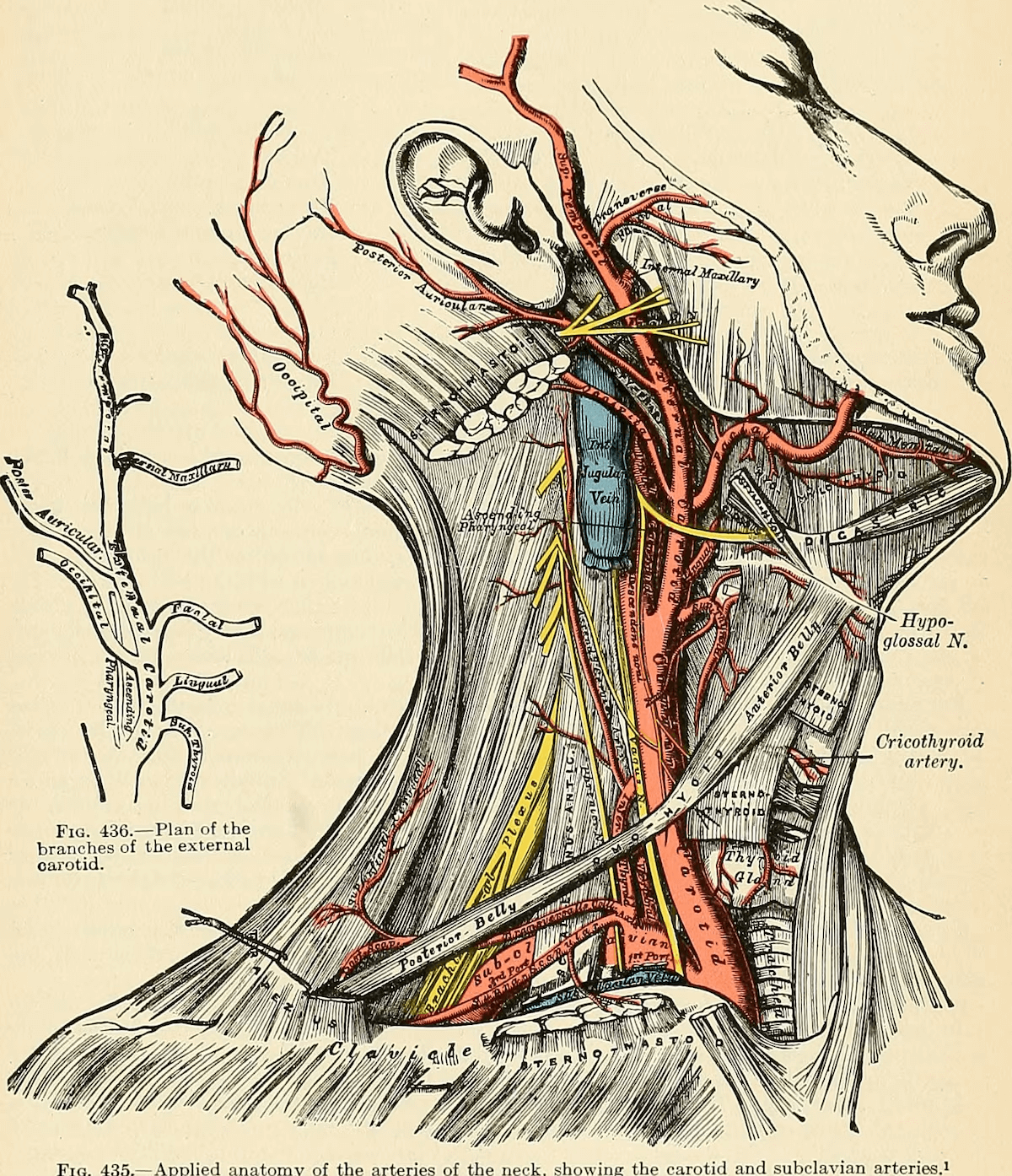
Medical illustrations play a crucial role in educational content, particularly in fields like medicine, biology, and health sciences. These illustrations help convey complex concepts clearly, improving comprehension and retention for learners. But how much does it actually cost to commission professional medical illustrations? In this article, we’ll break down the key factors influencing pricing, typical cost ranges, and practical tips to get the best value for your investment.
Why Medical Illustrations Matter in Education
Before diving into costs, it’s important to understand why professional medical illustrations are worth the investment. Dr. Anya Sharma, lead instructional designer at BioLearn Innovations, shares:
“We initially used generic stock images, but feedback showed significant confusion among learners. Investing in custom medical illustrations, though pricier upfront, drastically improved comprehension and learner satisfaction.”
Research supports this: educational materials with well-crafted visuals can increase information retention by up to 400% compared to text-only content. This makes accurate, clear medical illustrations indispensable for effective learning.
What Influences Medical Illustration Cost?
The cost of medical illustration varies widely depending on several factors:
1. Complexity and Detail
A simple line drawing of a heart will cost much less than a detailed 3D rendering showing cardiac muscle fibers at a cellular level. More complexity requires:
- Extensive research and reference gathering
- Multiple revision rounds with medical experts
- Specialized software and technical skills
Certified Medical Illustrator John Doe explains:
“The most time-consuming part is ensuring 100% accuracy, which means deep research and expert consultations — this is a major component of the cost.”
2. Type of Illustration
Different types of medical illustrations carry different price points:
- Anatomical drawings: Generally moderate cost, especially surface anatomy sketches
- Procedural or surgical illustrations: Higher cost due to specificity and accuracy demands
- Molecular or cellular level illustrations: Highest cost because of complexity and technicality
3. Turnaround Time
Rush jobs often incur additional fees. Illustrators may need to prioritize your project, work extra hours, or rearrange their schedules.
4. Usage Rights and Licensing
Prices vary based on where and how you plan to use the illustration:
- One-time use (e.g., a single textbook edition) usually costs less
- Extended or exclusive rights (e.g., worldwide, multiple editions, digital platforms) will increase fees
5. Format and Deliverables
Do you need simple line art, full-color digital files, animations, or interactive elements? Each adds layers of work and cost.
Typical Medical Illustration Cost Ranges
While exact pricing depends on project specifics, here’s a general overview:
| Illustration Type | Typical Cost Range (USD) |
|---|---|
| Simple line drawing | $150 – $500 |
| Detailed anatomical illustration | $500 – $1,500 |
| Complex surgical/procedural art | $1,500 – $5,000 |
| 3D Renderings & animations | $3,000 – $10,000+ |
Note: These are approximate ranges and can fluctuate based on illustrator experience, project scope, and usage terms.
Common Challenges in Commissioning Medical Illustrations
Understanding potential pitfalls can save time and money:
- Underestimating time for revisions: Accurate medical illustration is iterative. Rushing can lead to costly corrections.
- Unclear scope or expectations: Miscommunications can cause scope creep and budget overruns.
- Ignoring licensing details: Misunderstanding usage rights can lead to legal issues or unexpected fees later.
Clear communication and detailed contracts mitigate these risks.
Tips for Working With a Medical Illustrator
Provide detailed briefs and reference materials upfront.
- Clarify usage rights and formats needed.
- Allow reasonable time for reviews and revisions.
- Discuss pricing and payment terms transparently.
- Consider signing a contract outlining scope, deadlines, deliverables, and rights.
Cost-Saving Strategies
- Bundle multiple illustrations into a single project to negotiate better rates.
- Use simpler styles or fewer colors where appropriate.
- Plan projects well in advance to avoid rush fees.
- Leverage freelance illustrators or emerging professionals who offer competitive rates without sacrificing quality.
Why Professional Medical Illustration is Worth the Investment
While costs can seem high compared to stock images or AI-generated visuals, the accuracy, clarity, and educational value professional illustrations provide are unmatched. John Doe summarizes:
“Medical illustration isn’t just art; it’s a scientific communication tool. Cutting corners here risks misinforming learners and undermining educational goals.”
Final Thoughts
Investing in high-quality medical illustrations is essential for educational content that is accurate, engaging, and effective. By understanding the factors affecting cost, working closely with your illustrator, and planning your project thoughtfully, you can achieve excellent results that justify the investment.
FAQs
Q1: What factors most affect the cost of medical illustrations?
A: The main factors include the complexity and detail of the illustration, the type of medical content (anatomical, procedural, cellular), turnaround time, usage rights/licensing, and the final deliverables required (e.g., digital files, animations).
Q2: Why do detailed medical illustrations cost more?
A: Detailed illustrations require extensive research, multiple rounds of review with medical experts, and advanced technical skills, all of which add to the time and effort—and therefore the cost.
Q3: Can I use stock images instead of commissioning medical illustrations?
A: While stock images are cheaper, they often lack the accuracy and specificity needed for medical education. Custom medical illustrations ensure clarity, precision, and relevance to your content.
Q4: How long does it usually take to complete a medical illustration?
A: Turnaround times vary based on complexity but typically range from a few days for simple drawings to several weeks for highly detailed or 3D illustrations.
Q5: What are usage rights, and why do they impact cost?
A: Usage rights specify how and where you can use the illustration (e.g., print only, digital platforms, worldwide distribution). Broader or exclusive rights usually increase the cost because they limit the illustrator’s ability to license the work to others.